The Gut‑Liver Connection: Detox for Mind & Body Healing – OneMi
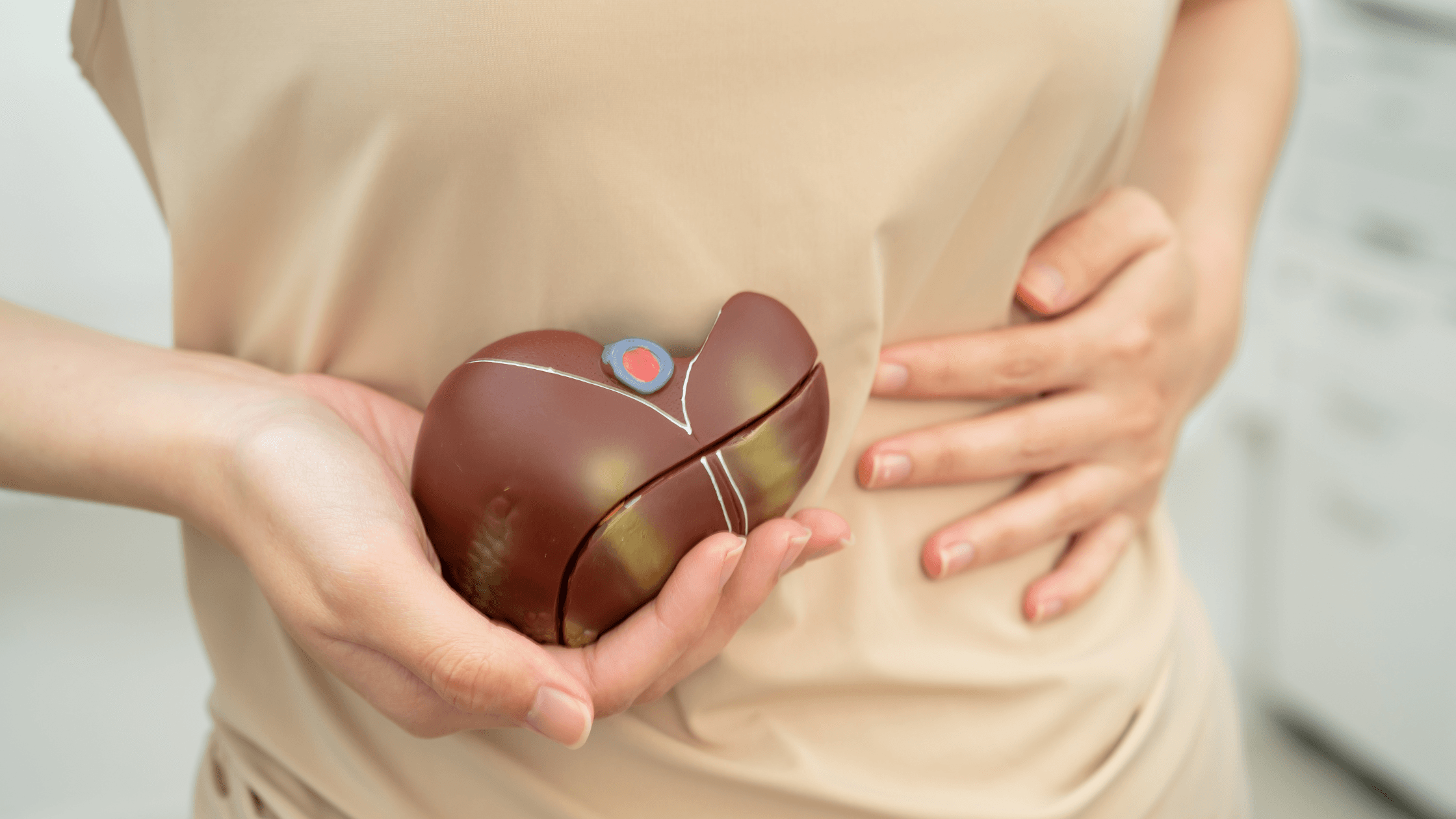
From chronic fatigue to digestive distress and persistent brain fog, many modern health challenges are influenced by the complex relationship between the gut and liver. In functional medicine, understanding this connection is essential because these two organs work as a coordinated system to detoxify, absorb nutrients, regulate immunity, and even influence mood. When either system is overwhelmed, the impact reverberates throughout the body.This comprehensive guide explores the gut‑liver axis, why organ detox matters, and how restoring this connection can improve metabolic balance, emotional wellbeing, and long‑term health.
Understanding the Gut‑Liver Axis
The gut‑liver connection refers to the continuous biochemical communication between the digestive tract and the liver. Most nutrients, and many toxins, absorbed through the gut eventually travels to the liver via the portal vein. This means:
- The gut determines what the liver has to process.
- The liver influences digestive function through bile flow and metabolic signaling.
- Imbalance in one affects the other, creating a feedback loop that can worsen inflammation, metabolic stress, and immune dysfunction.

Key Roles of the Gut
- Nutrient absorption
- Immune defense (a large portion of the immune system is associated with the gut)
- Fermentation of fibres into beneficial compounds
- Barrier protection against toxins and pathogens
Key Roles of the Liver
- Metabolism of fats, proteins, carbohydrates
- Detoxification of environmental, metabolic, and dietary toxins
- Production of bile to digest fats
- Regulation of hormones and immune factors
When the gut barrier becomes “leaky” or the microbiome shifts into dysbiosis, more toxins, bacteria, and inflammatory molecules reach the liver, increasing its workload and leading to systemic effects.
Organ Detox: What It Really Means
Before diving deeper into the science, let’s clarify what detoxification truly is. Detoxification is not about quick cleanses, juice diets, or fasting fads. In functional medicine, detox means:
– Supporting the liver’s metabolic pathways
– Reducing gut inflammation and permeability
– Enhancing elimination through bowel, skin, and lymph
– Supporting cellular detoxification capacity and antioxidant balance
In short, functional detox reduces toxic load while strengthening the body’s natural cleansing systems, rather than forcing artificial “cleanses” that may cause rebound stress.
How the Gut and Liver Impact Your Mind
It may surprise many people that gut and liver health strongly influence mood, cognition, and emotional resilience.
The Gut‑Brain Axis
Approximately 90% of the body’s serotonin is produced or stored in the gut. a key neurotransmitter for mood regulation. When gut health deteriorates due to toxins, inflammation, or microbiome imbalance, serotonin production drops, contributing to:
- Anxiety
- Depression
- Irritability
- Sleep irregularities
Liver Detox and Neurotransmitter Balance
The liver metabolizes hormones, including stress hormones and estrogen. When the liver’s detoxification pathways are overwhelmed:
- Stress hormones linger longer
- Hormonal mood swings intensify
- Cognitive clarity declines
This creates a vicious cycle where stress impairs digestion, impaired digestion increases toxic load, and the liver struggles to keep up.
Signs That Your Gut‑Liver Axis Needs Support
Knowing the root cause of symptoms is key — and many people misinterpret signs of imbalance as unrelated conditions.
Common indicators that gut‑liver health needs attention
– Chronic bloating or gas
– Fatigue after meals
– Brain fog or difficulty concentrating
– Joint pain without obvious cause
– Hormonal fluctuations
– Food sensitivities
– Skin breakouts or eczema
– Frequent headaches
– Persistent low mood
Because the gut‑liver axis involves multiple systems, symptoms may seem unrelated at first — until the underlying connection is addressed.
How Functional Organ Detox Heals the System
In functional medicine, healing happens by supporting pathways, not suppressing symptoms. A strategic detox supports both gut and liver through:
1. Nutrition That Nurtures
Feeding the body with anti‑inflammatory, nutrient‑dense foods provides the building blocks for repair.
Focus on:
- Vegetables rich in fiber and antioxidants
- Lean proteins for amino acids needed in liver support
- Healthy fats to support cell membranes and balance hormones
- Fermented foods for microbiome diversity in GUT
Avoid:
- Processed oils
- High sugary foods
- Excess caffeine and alcohol
These dietary shifts reduce toxic input to the liver and feed beneficial gut bacteria, fostering a symbiotic restoration.
2. Supporting Microbiome Balance
A healthy gut microbiome:
- Protects intestinal barriers
- Produces beneficial metabolites
- Reduces systemic inflammation
Functional detox includes:
– Prebiotic fibres
– Probiotic foods or clinical‑grade supplements
– Polyphenol‑rich plants
These improve gut resilience so fewer toxins reach the liver.
3. Enhancing Liver Detox Pathways
The liver detoxifies through two major phases:
Phase 1: Neutralizes toxins
Phase 2: Conjugates them for elimination
Functional support focuses on:
- Antioxidants: glutathione, vitamin C, selenium
- Sulfur‑rich foods: garlic, onions, cruciferous vegetables
- B vitamins: for methylation pathways
- Hydration and electrolytes: for efficient transport
Unlike temporary “cleanses,” this approach enhances structured biochemical detoxification.
4. Movement and Lymphatic Flow
Exercise is essential for metabolic health — not just weight loss.
Benefits include:
- Improved circulation
- Enhanced lymph drainage
- Reduced inflammation
- Better insulin sensitivity
Activities such as walking, yoga, and rebounding support detox without stressing the nervous system.
5. Mind‑Body Therapies
Stress disrupts both gut and liver function. Practices like:
– Meditation
– Breathwork
– Acupressure
– Gentle movement help modulate stress hormones, reduce inflammation, and support healing rhythms.

Tying Detox Back to Chronic Conditions
Functional detox is not one‑size‑fits‑all, it targets root causes, making it especially powerful in managing chronic conditions such as:
• Autoimmune Disorders: Reducing gut permeability limits immune activation and downstream liver stress.
• Metabolic Syndrome: Detox support improves insulin sensitivity and lipid metabolism.
• Hormonal Imbalances: Better liver clearance of estrogen and cortisol stabilizes mood and energy.
• Persistent Fatigue: Optimized nutrient absorption and toxin elimination restore metabolic energy.
• Cancer Side Effect Management: Supportive protocols designed to assist organ resilience, symptom tolerance, and nutritional status during treatment, always under oncologist supervision.
A Functional Medicine Detox Plan You Can Start Today
Here’s a beginner‑friendly plan based on functional principles:
Daily Foundations
- Morning lemon water or warm herbal tea
- 5–7 servings vegetables
- Healthy Protein at each meal
- Hydration (2–3L/day)
Supplement Support
(Based on your requirements)
– Probiotics
– Digestive enzymes
– Glutathione or NAC
– B‑complex vitamins
Lifestyle
- 30 minutes movement daily
- Stress reduction practice
- Sleep routine (7–9 hours)
Weekly Rituals
- Gentle rebounding or sauna (where appropriate)
- Cooking with bitter greens
- Journaling to track progress
Final Thoughts: Healing Starts with Connection
The gut and liver are central hubs of health and their connection influences everything from immunity and digestion to mood and metabolism. In functional medicine, organ detox is not a superficial fix but a strategic, science‑based reintegration of core systems that promote resilience and long‑term healing.